
What is the Context API in React and when to use it without going crazy?

Have you ever had to pass data from a parent component to a child, and then to another, and another… just to use it at the end? That is what is known as “prop drilling” 😵
Well, React Context API is like telling your app:
“Hey, this data is important, make it accessible to everyone without having to pass it manually through every component.”
🏠 A quick analogy
Imagine you live in a house with 10 rooms (components). And there is only one remote control (global state). Are you going to go room by room passing it to everyone?
No! Better leave it on the living room table (Context), and anyone who needs it, goes and grabs it 🙌
🌗 Example: light mode / dark mode
Suppose your app has two themes: light and dark. You don’t want to be passing that theme as props to all buttons, backgrounds, headers, etc. Better create a ThemeContext and that’s it.
And now anywhere in the app you can use it like this:
You connect everything like this:
❌ When NOT to use Context?
Although Context is cool, it’s not for everything:
- If the data changes all the time (like what you type in an input) 👉 it becomes slow, because it re-renders everything.
- If only 1 or 2 nearby components need it 👉 better to use props.
- If your app is big and you need to manage many global things 👉 maybe it’s time to look at things like Zustand, Redux, or Recoil.
✅ In summary
Context API = sharing global info without hassle.
Useful for things like:
- Light/dark mode 🌗
- Language 🌍
- Logged-in user 👤
But don’t overuse it. If it complicates more than it solves… better another tool 😅
Does your company need to strengthen its infrastructure, scale its applications, and optimize the development experience?👉 Contact us and we’ll advise you on implementing Google Cloud with security, performance, and productivity.
Previous Posts

Patterns and Anti-Patterns in Unit Testing with JUnit and Mockito
Discover the main patterns and antipatterns in unit testing with JUnit and Mockito to create cleaner, more maintainable, and reliable tests.
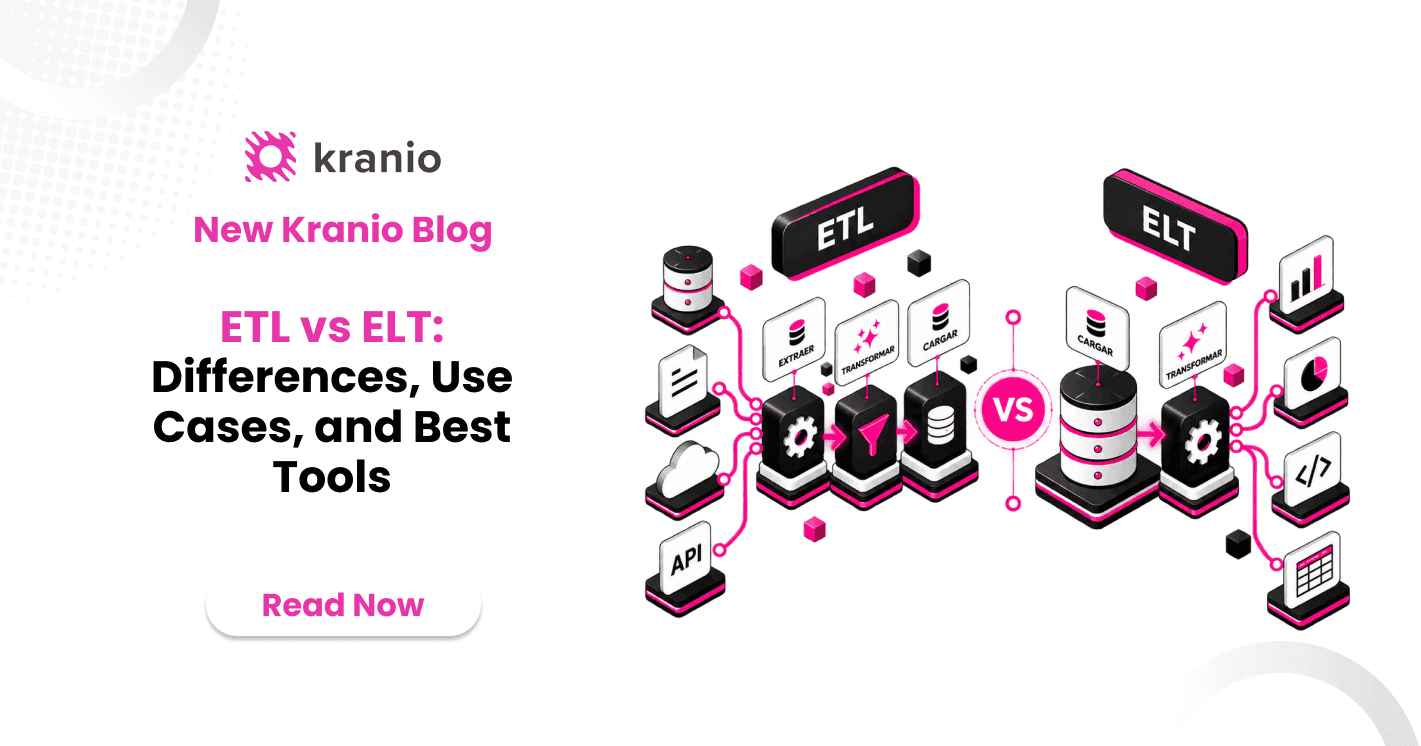
ETL vs ELT: Differences, Use Cases, and Best Tools
ETL or ELT? Learn their differences, advantages, top modern tools, and practical use cases explained clearly and without complications.